DIY mold testing kits sold at hardware stores can detect mold spores in your home, but they often miss hidden mold, misread results, and cannot tell you how serious a problem is. For homeowners in Cartersville and surrounding communities, these kits are a starting point at best, not a final answer. A certified inspector with proper lab tools gives you the accurate picture you need to protect your family and your investment.
How DIY Mold Test Kits Work
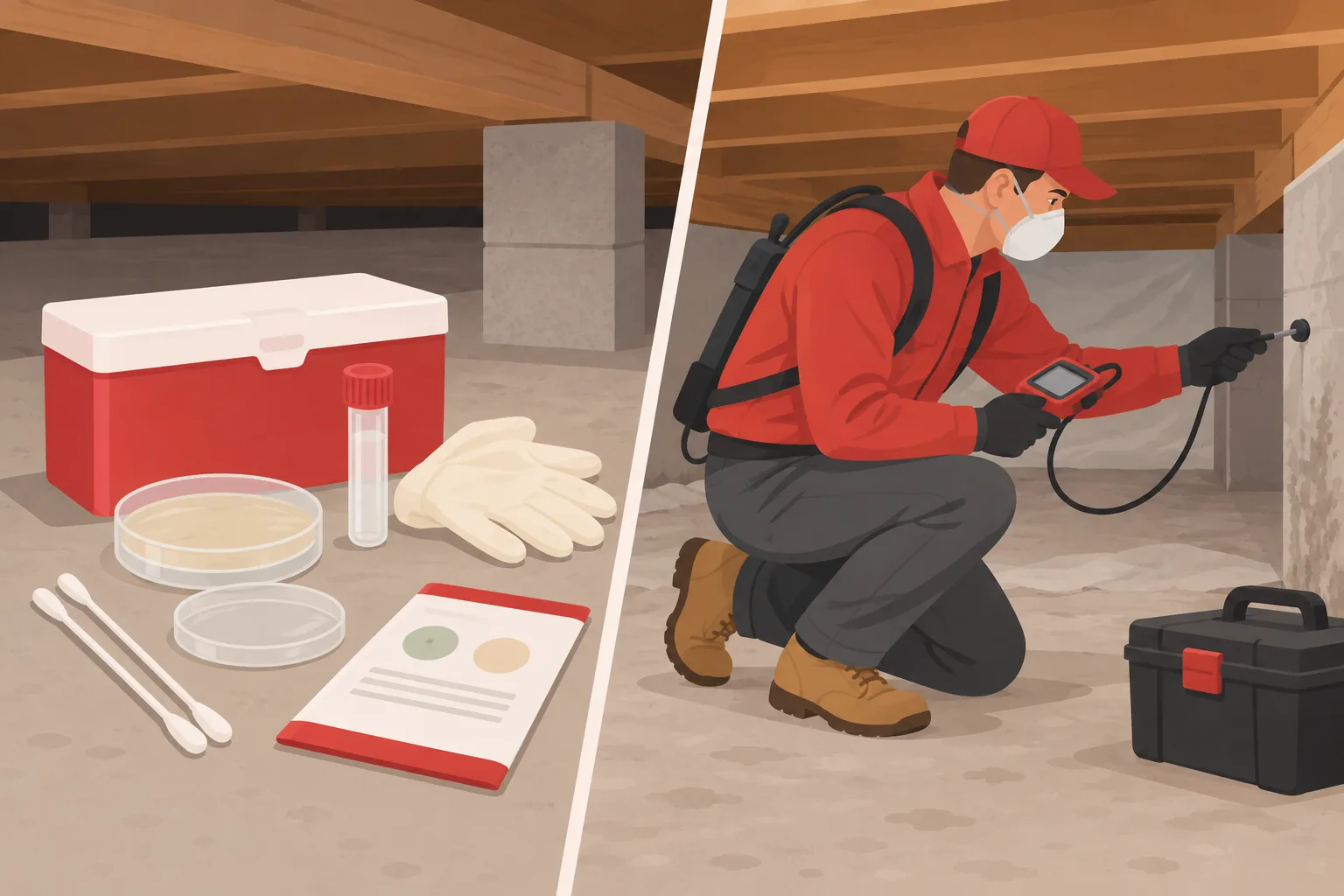
Most kits you find at a home improvement store use one of two methods. The first is a petri dish that sits open in a room and collects spores from the air. The second is a swab you rub on a surface you suspect has mold. You then mail the sample to a lab and wait for results.
These kits do have some value. They can confirm that mold spores are present. But there are real limits you should understand before you spend money on one.
- Petri dish tests collect whatever is in the air. Mold spores exist naturally almost everywhere, inside and outside. A positive result does not always mean you have a problem.
- They cannot find hidden mold. Mold behind drywall, under flooring, or inside HVAC ducts will not show up in an open-air dish test.
- Results can be hard to read. The lab report may list mold types that most homeowners have never heard of, with no clear guidance on what to do next.
- They do not measure moisture levels. Moisture is the root cause of mold growth, and a kit cannot find the source.
Why Cartersville Homes Face Mold Risk
Cartersville sits in a region where warm, humid summers are common. That humidity works its way into crawl spaces, basements, and attics. Older homes near downtown Cartersville, as well as newer subdivisions closer to I-75, can both develop moisture problems. The same is true in nearby towns like Adairsville and Calhoun, where older housing stock and high summer humidity create similar risks.
Homes with crawl spaces are especially vulnerable. If your crawl space lacks proper vapor barrier coverage or ventilation, moisture builds up fast. That moisture feeds mold, which can spread into floor joists and subfloor materials before you ever notice a smell or see a stain.
When a DIY Kit Makes Sense
A store-bought kit is not worthless. There are situations where it can be a reasonable first step.
- You notice a musty smell in one room and want basic confirmation before calling anyone.
- You are buying or selling a home and want a rough idea of air quality before scheduling a formal inspection.
- You have already had mold remediated and want a simple follow-up check.
Even in these cases, treat the results as a starting point. A positive result should lead you to book a professional test. A negative result does not mean your home is mold-free.
What a Professional Mold Inspection Covers
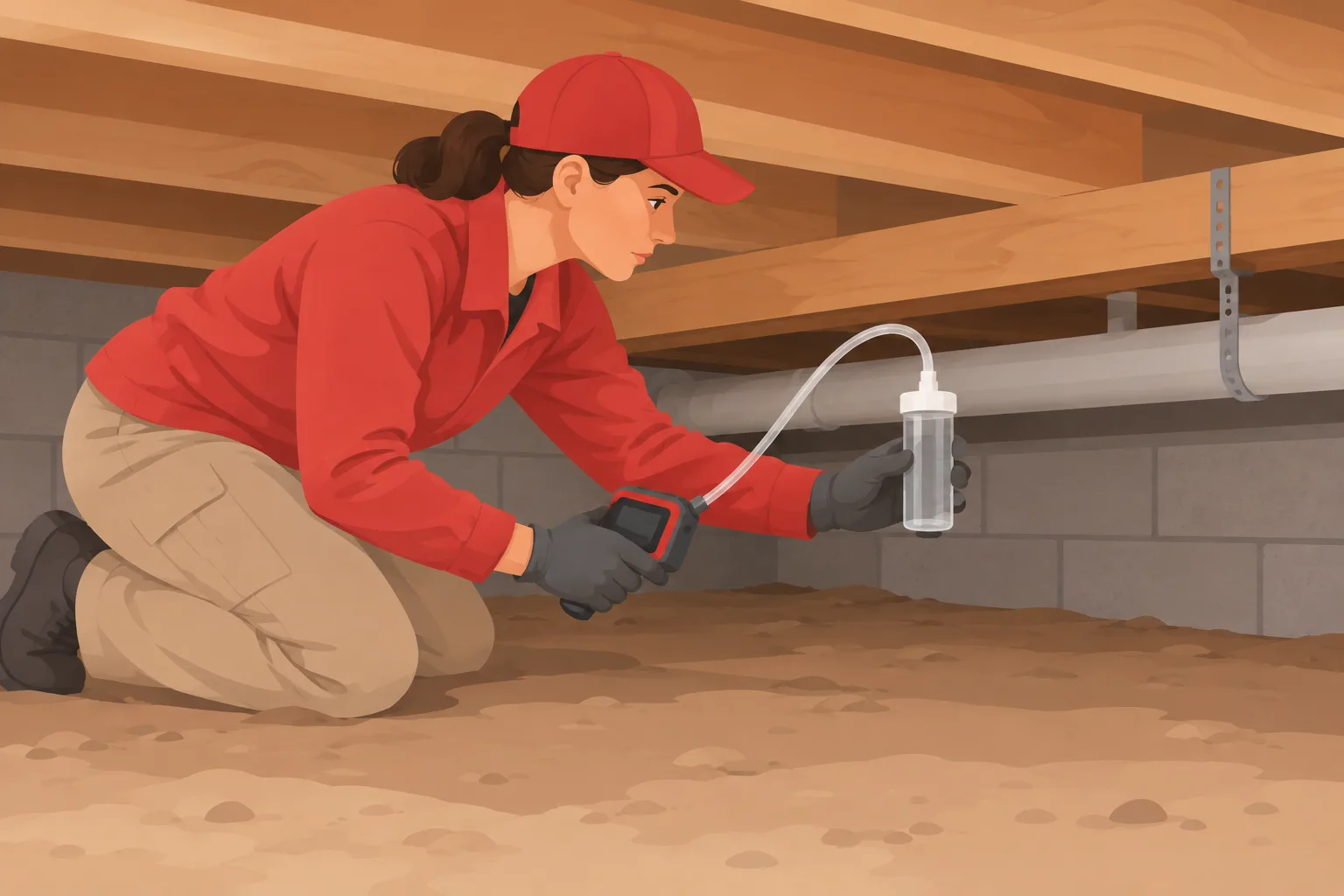
A professional mold testing inspection goes well beyond what a kit can do. A certified inspector uses calibrated air sampling equipment that captures a measured volume of air. The samples go to an accredited lab that counts spore types and compares indoor levels to outdoor baseline levels. That comparison is what tells you whether you have a real problem.
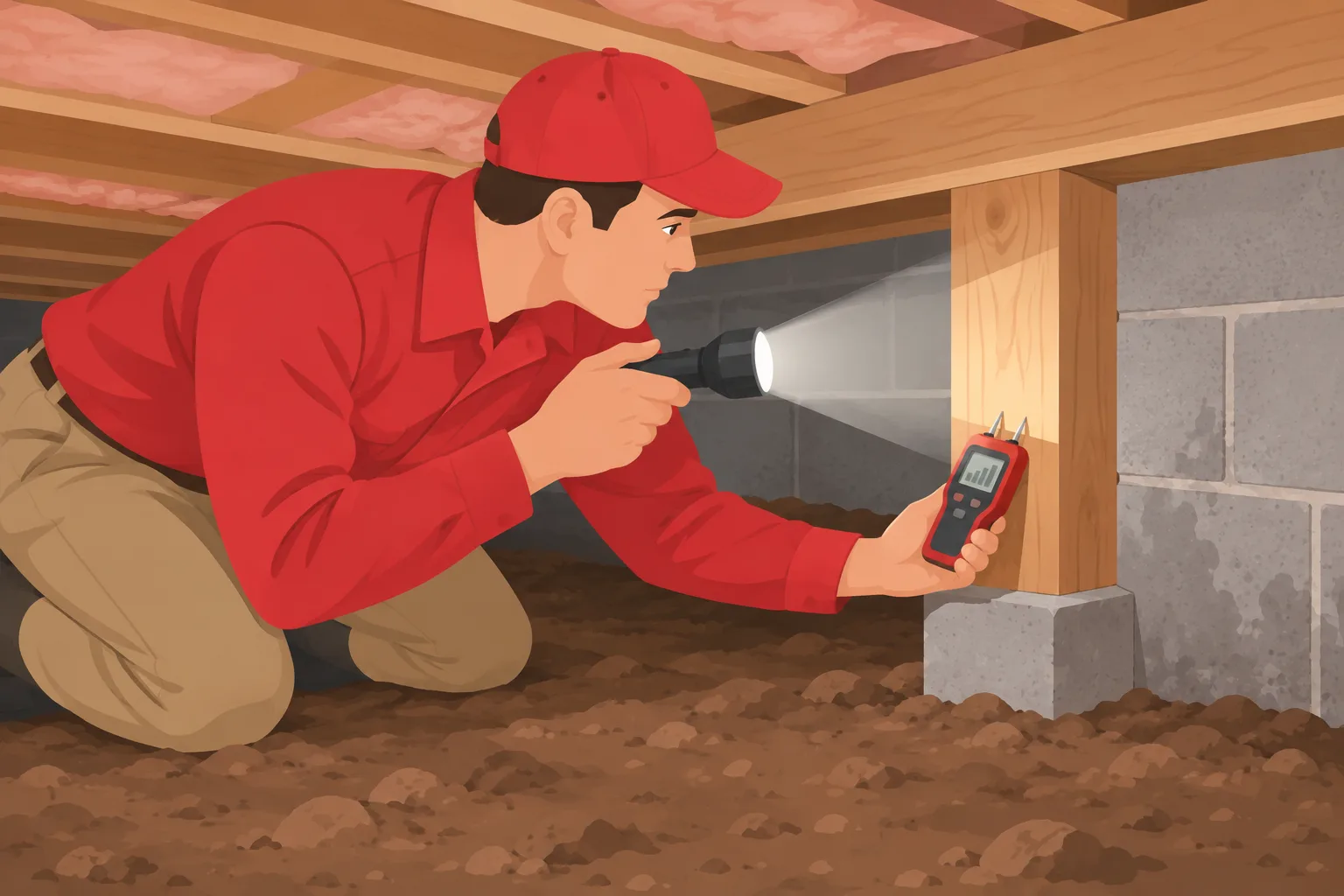
Beyond air sampling, a professional inspection includes a visual survey of the entire home. The inspector checks attics, crawl spaces, bathrooms, kitchens, and any area where water has been present. Moisture meters and thermal cameras can find wet spots inside walls before mold becomes visible. This kind of thorough check is especially useful in areas like Ringgold, Chatsworth, and Lookout Mountain, where older homes and varied terrain can create unexpected moisture pathways.
Mold Testing as Part of a Home Inspection
If you are buying a home anywhere from Jasper to Rossville, pairing mold testing with a full home inspection is a smart move. The inspector can flag moisture issues, check for signs of past water intrusion, and recommend targeted mold sampling in specific areas. This saves you money compared to testing every room blindly.
Some homes also benefit from a sewer and drain scope at the same time. Slow drains and sewer leaks under a slab can introduce moisture that leads to mold in areas you would never think to check.
Questions Homeowners Ask
Are DIY mold test kits accurate enough to trust?
They can confirm spores are present, but they cannot measure concentration levels accurately or find hidden mold. Use them only as a starting point, not a final answer.
How long does a professional mold test take?
An on-site inspection typically takes one to two hours depending on home size. Lab results usually come back within a few business days after samples are submitted.
Can mold grow even if I do not see it?
Yes. Mold often grows inside walls, under flooring, and in crawl spaces long before it becomes visible. A musty smell is often the first clue that hidden mold is present.
Do I need mold testing if my home is newer construction?
New construction is not immune. Moisture trapped during the building process, roof leaks, or plumbing issues can cause mold in homes of any age, including newer builds in growing areas like Cartersville and Adairsville.
If you are in Cartersville or any of the surrounding communities and want a clear, honest picture of your home's air quality, reach out to TrueSight Home Inspections today. Request a free quote and ask about our professional mold testing services. We serve homeowners across Northwest Georgia and are ready to help you make informed decisions about your home.